How to Prepare for an Appointment at a TRT Clinic in La Jolla
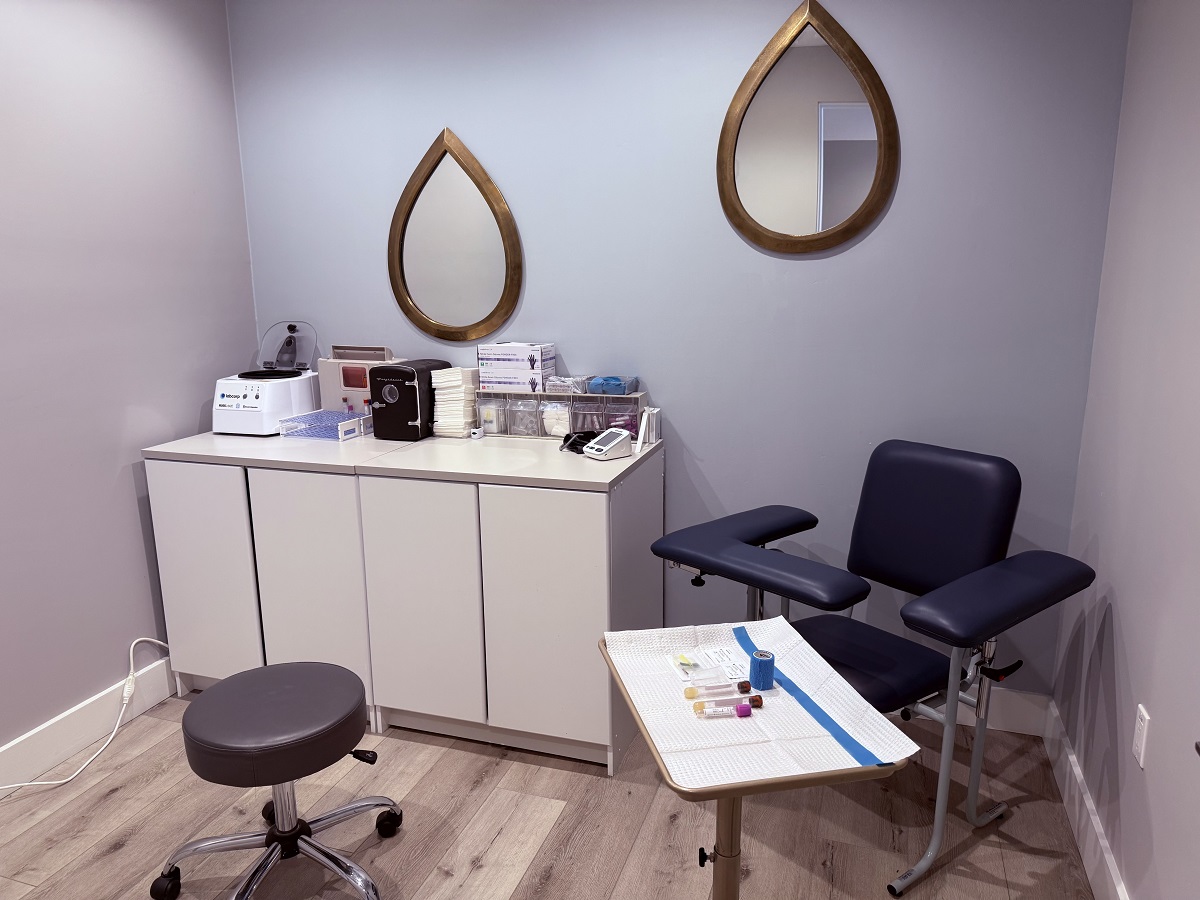


Making an appointment at a TRT clinic is not the same as booking a routine annual physical. You are walking into a conversation about hormones, symptoms, risk, long-term monitoring, and quality of life. The best visits are not rushed sales conversations or vague discussions about “low energy.” They are structured, evidence-based evaluations that look at the whole picture.
That matters even more in a place like La SDBody La Jolla trt clinic La Jolla Jolla, where patients often have access to high-end wellness services, concierge medicine, and clinics that market aggressively. A polished office and a sophisticated website do not tell you whether a provider takes a careful, medically sound approach to testosterone replacement therapy. Preparation helps you separate marketing from medicine, and it makes your first appointment far more productive.
If you are planning to visit a trt clinic La Jolla patients commonly consider, the goal is simple: arrive with enough background, records, and self-awareness to have a serious clinical discussion. When patients do that well, appointments tend to be more efficient, diagnoses are clearer, and treatment plans are safer.
Start with your symptoms, not with the idea of testosterone
A common mistake is deciding in advance that testosterone is the answer. Men often come in focused on one lab number they saw online, or because a friend started treatment and says he feels ten years younger. That mindset can narrow the conversation too early.
A better starting point is your actual symptom pattern. TRT is usually considered when low testosterone is paired with consistent symptoms. Those symptoms can include fatigue, reduced libido, erectile changes, poorer recovery from exercise, depressed mood, irritability, reduced muscle mass, and difficulty concentrating. The challenge is that none of those are specific to testosterone alone. Poor sleep, overtraining, alcohol use, stress, obesity, thyroid issues, certain medications, depression, and sleep apnea can look very similar.
Before your visit, spend a week or two paying attention to what is happening in daily life. Notice whether the fatigue is worst in the afternoon or present all day. Notice whether libido has changed gradually over a year or dropped quickly in a few months. Notice whether your gym performance is down because strength has fallen, or because you are simply not sleeping enough to recover. That level of detail helps a good clinician think clearly.
I have seen patients describe themselves as “exhausted all the time,” then after ten minutes of discussion it turns out they work late, sleep five and a half hours a night, and wake up snoring with dry mouth and headaches. That does not rule out low testosterone, but it changes the frame completely. It pushes sleep quality and sleep apnea higher on the differential, which is exactly what should happen in a responsible clinic.
Know what a proper TRT evaluation usually includes
A serious testosterone workup is not a one-minute glance at a single blood test. It usually combines symptoms, medical history, physical factors, and lab work done at the right time.
Testosterone levels fluctuate during the day, and they are typically highest in the morning. That is why many clinicians prefer morning lab draws, often before 10 a.m., especially for younger and middle-aged men. A single low reading may not be enough to confirm the issue. Repeat testing is common because illness, sleep loss, calorie restriction, heavy drinking, and even acute stress can temporarily distort results.
Beyond total testosterone, many providers will also look at free testosterone or a calculation related to it, sex hormone binding globulin, estradiol in some cases, luteinizing hormone, follicle-stimulating hormone, thyroid markers, complete blood count, comprehensive metabolic markers, and prostate-specific antigen when appropriate. The exact panel varies by age, symptoms, and history, but the larger point is that a good evaluation looks for context.
This is where preparation pays off. If you already have recent labs, bring them. If you do not, ask the clinic ahead of time whether they want testing done before the visit or if they prefer to order it themselves. Some clinics schedule an initial consultation first and then lab work after. Others ask patients to arrive with existing records. It is worth clarifying that before you go, because the appointment can feel much less useful if you expected decisions to be made that day and the provider cannot make them yet.
Gather your medical history before the visit
Patients often underestimate how much time gets wasted trying to reconstruct basic information from memory. If you have ever sat in an office struggling to remember the dose of a blood pressure medication or the date of a past surgery, you know how quickly momentum disappears.
Put together a short personal health summary before your appointment. It does not need to be formal. A typed page on your phone or a handwritten note is fine, as long as it is accurate. Include current medications, supplements, major diagnoses, prior surgeries, allergies, and any past hormone treatment. If you have used testosterone before, be honest about it. That includes prescriptions from another clinic, online services, compounds, injections from a friend, or anabolic steroid cycles from years ago. Good clinicians are not shocked by that history, but they do need to know it.
Fertility history is especially important. This gets missed more often than it should. If you may want children in the future, say so early. Exogenous testosterone can suppress sperm production, sometimes significantly. Many men are surprised by that. Some assume testosterone will improve every aspect of male reproductive function, but fertility and hormone optimization are not the same discussion. Depending on the situation, a provider may talk with you about alternatives or about protecting fertility while managing symptoms.
Family history also matters. If close relatives have had prostate cancer, cardiovascular disease at a young age, clotting disorders, or severe sleep apnea, mention it. None of these automatically disqualify someone from treatment, but they shape the risk conversation.
Be honest about lifestyle, because it changes the interpretation of everything
When clinicians evaluate possible hypogonadism, lifestyle is not a side issue. It directly affects symptoms and lab values. Alcohol intake, cannabis use, sleep habits, body weight, stress load, training volume, and diet all matter.
The patient who lifts hard six days a week, keeps calories low, sleeps erratically, and works a high-pressure job may look hormonally depleted on paper for reasons that are partly behavioral and reversible. On the other hand, the patient who is sleeping well, training sensibly, carrying stable weight, and still has clear symptoms with repeatedly low levels presents a different picture.
This is where many first appointments get more useful when the patient arrives prepared to speak plainly. If you drink heavily on weekends, say so. If you use finasteride, opioids, SSRIs, or GLP-1 medications, mention it. If you gained 25 pounds in the last two years and your snoring became severe, bring that up. If your symptoms began after a major illness or after stopping a steroid cycle, that timeline matters.
I have watched visits turn productive the moment a patient finally mentions something he nearly left out, like using over-the-counter “test boosters,” taking DHEA, or sleeping four hours a night with a newborn at home. Those details are not side notes. They are often central to the case.
Understand the clinic’s philosophy before you walk in
Not every TRT practice approaches care the same way. Some operate like endocrine clinics with careful diagnostic thresholds and conservative follow-up. Others blur the line between medical treatment and lifestyle enhancement. That difference affects everything from lab interpretation to dosing to follow-up frequency.
Before your appointment, spend a little time learning how the clinic operates. You are not looking for perfect marketing language. You trt clinic La Jolla are looking for signs of a real clinical process. Does the clinic discuss comprehensive lab review, individualized treatment, and monitoring? Do they acknowledge risks and side effects? Do they mention fertility, hematocrit, estradiol, blood pressure, and sleep apnea? Or is every message built around energy, muscle gain, confidence, and sexual performance?
A reputable trt clinic La Jolla patients can trust should be willing to talk plainly about both benefits and burdens. TRT can help many men feel substantially better when it is indicated. It can also raise hematocrit, affect fertility, cause acne, alter mood in some cases, complicate untreated sleep apnea, and require ongoing monitoring. Any clinic that acts as if treatment is effortless for everyone is simplifying a real medical therapy.
What to bring to the appointment
The best-prepared patients usually arrive with a small packet of information, not a stack of chaos. If the clinic has a patient portal, upload what you can before the visit and still bring easy access to the essentials.
Bring these items if they apply to you:
- Recent lab results, especially hormone panels, CBC, CMP, thyroid labs, PSA, and lipid testing
- A current medication and supplement list with doses
- Notes on symptoms, including when they started and how they affect daily life
- Insurance information if the clinic uses it, plus photo identification
- Questions you want answered, written down so nothing gets missed
That last point is more important than it sounds. Patients often remember the practical questions they meant to ask only after they leave the office. Writing them down keeps the conversation focused.
Prepare for the awkward questions, because they are usually the important ones
TRT consultations often move into areas many men do not discuss comfortably. Sexual function, fertility plans, mood swings, body image, substance use, and performance-enhancing drug history can all come up. It helps to expect that.
If libido has fallen, be specific. If erections are less reliable, distinguish between morning erections, partnered sex, and masturbation, because those differences can be clinically useful. If your mood has changed, say whether it feels like flat motivation, irritability, anxiety, or something more like depression. If your relationship is under strain because of these symptoms, that matters too.
These topics can feel personal, but in practice they often clarify the case faster than broad statements like “I just don’t feel like myself.” A provider who understands exactly what changed, and when, can think more precisely.
Questions worth asking during the consultation
A first visit should not be a passive experience where you simply wait to be told what the plan is. Good patients ask good questions, and good clinicians answer them in clear terms. You do not need to interrogate the provider, but you should leave with a practical understanding of how they think.
Here are a few questions that usually lead to useful discussion:
- What diagnosis are you considering, and what needs to be confirmed before treatment?
- Which labs matter most in my case, and why?
- If TRT is appropriate, what form do you recommend and what trade-offs come with it?
- How often do you monitor labs and symptoms after starting?
- How would treatment affect fertility, sleep apnea risk, and blood counts in my situation?
Those questions reveal a lot. They tell you whether the provider is reasoning from your specific history or reaching for a standard protocol. They also help you understand whether the clinic is built for long-term management rather than quick prescribing.
Know the treatment options well enough to discuss them intelligently
Many men arrive with a strong preference for injections because that is what they have heard about most often. Others assume gels are safer because they sound less intense. The truth is more nuanced. Each delivery method has practical pros and cons, and your lifestyle matters.
Injections are common because they are effective and often cost-efficient. They can be done in clinic or at home, depending on the practice and the prescription. Some men do well on weekly injections, while others feel better on smaller, more frequent dosing. Gels can work well too, particularly for men who dislike needles, but they require consistent daily use and create concerns about transfer to partners or children if not handled properly. Pellets appeal to some patients who want fewer dosing events, but they lock you into a longer course and are less flexible if dose adjustments are needed.
This is one area where online discussions can be misleading. Men compare protocols as if there is one perfect schedule for everyone. In real practice, the best regimen is the one that balances symptom control, lab stability, side-effect profile, convenience, and adherence. A patient who travels constantly may need a different approach than someone who works from home and likes a very stable routine.
Be realistic about what TRT can and cannot do
One reason preparation matters is that expectations can drift far beyond what medicine can deliver. TRT is not a substitute for sleep, nutrition, exercise, relationship repair, stress control, or treatment of underlying medical conditions. It can improve symptoms meaningfully when low testosterone is truly part of the problem. It cannot reliably erase burnout, chronic overwork, or poor health habits.
Patients sometimes expect changes immediately. That is rarely how it goes. Some effects, like libido or sense of vitality, may improve within weeks for certain men. Body composition and strength changes usually take longer and still depend heavily on training and nutrition. Mood improvement can be real, but it is not guaranteed, and if someone has primary depression, testosterone is not a comprehensive psychiatric treatment.
The most satisfied patients usually have the most grounded expectations. They are looking for improvement, not transformation. They understand that treatment is a monitored process, not a one-time fix.
Think through logistics before you commit
A TRT plan affects your schedule and your budget. That deserves attention before treatment starts, not after.
Ask how often visits are required, whether follow-up labs are included, whether prescriptions go through insurance or cash pay, and what happens if adjustments are needed between appointments. Some clinics package care into membership models. Others bill separately for visits, labs, and medication. Neither model is automatically better, but the costs should be transparent.
If the clinic is local and you are specifically considering a trt clinic La Jolla residents visit for ongoing care, convenience may be a meaningful factor. Hormone management is rarely a single encounter. Even straightforward cases involve follow-up labs and dose reassessment. A clinic that is easy for you to access may support better compliance over time, especially if your schedule is demanding.
Travel also matters if you split time between cities, work offshore, or spend long stretches away from home. It is much better to discuss those realities upfront than to start a regimen you cannot follow consistently.
Red flags that are worth noticing
Not every clinic that offers testosterone care is practicing at the same standard. Some warning signs are subtle. Others are obvious once you know what to look for.
Be cautious if the provider seems ready to prescribe based on symptoms alone without adequate labs. Be cautious if there is little interest in fertility, sleep apnea, cardiovascular history, or blood count monitoring. Be cautious if every patient appears to receive the same dose or the same add-on medications. And be especially cautious if the consultation feels more like a sales pitch than a medical evaluation.
One pattern experienced clinicians notice quickly is overtreatment through confidence. The patient is told that all symptoms trace back to low testosterone, that optimization is simple, and that side effects are minor or easily handled. Real hormone care is not built on fear, but it also should not be built on casual certainty.
If you are anxious about the appointment, that is normal
Hormone-related symptoms often touch identity in a way other health concerns do not. Men worry about aging, masculinity, relationships, sexual function, fertility, and performance at work or in the gym. That emotional charge can make appointments feel heavier than they appear on the calendar.
The best way to lower that stress is preparation. Once you have your records, your symptom notes, your questions, and a basic understanding of the process, the visit becomes less mysterious. It turns into what it should be: a medical conversation about whether your symptoms and lab findings fit a diagnosis, and what sensible options exist if they do.
Some patients also worry they will be dismissed if they are young, fit, or not obviously ill. Others worry they will be judged if they previously used anabolic steroids or sought online hormone services. Good clinics do not treat either situation as unusual. They assess what is in front of them now.
What a strong first appointment usually feels like
A well-run consultation does not need to be flashy. In fact, the strongest ones often feel methodical. The provider listens carefully, asks about symptom timing, reviews medical and reproductive history, explains the role of lab confirmation, and talks openly about risks, benefits, and alternatives. If treatment is not yet appropriate, they say so and explain why. If more information is needed, they order it. If TRT is a good fit, they outline a plan for follow-up rather than treating the prescription as the finish line.
That structure may feel slower than some patients expect, especially if they arrived hoping to start treatment immediately. But in the long run, that slower first step often produces better care. Hormone therapy is easiest when it begins from a clean, well-documented baseline.
Preparing for an appointment at a TRT clinic is not about impressing the provider. It is about giving yourself the best chance at an accurate diagnosis and a sound treatment plan. The more clearly you can describe your symptoms, the more completely you can share your history, and the more realistically you can discuss goals and trade-offs, the more useful that visit will be.
And that is the standard worth aiming for, especially when choosing a trt clinic La Jolla men may rely on not just for a prescription, but for ongoing care.
SDBody La Jolla
7710 Fay Ave, La Jolla, CA 92037
+1 858-401-2383
FAQ About trt clinic La Jolla
How much should my TRT cost?
TRT costs depend on the clinical evaluation, medication, laboratory testing, and follow-up plan. Ask for an itemized estimate that includes the initial visit and ongoing monitoring. SDBody La Jolla can explain its current fees after discussing the services being considered.
Will Insurance Pay for TRT in La Jolla?
Coverage depends on your plan, diagnosis, prescribed treatment, and provider network. Ask your insurer about medical necessity requirements, prior authorization, laboratory coverage, and out-of-pocket costs. Confirm SDBody La Jolla's billing arrangements directly; insurance payment is not guaranteed.
Is TRT safer than steroids?
Testosterone is itself an anabolic steroid. Clinician-prescribed replacement for confirmed testosterone deficiency differs from nonmedical steroid use, but it still carries risks and requires monitoring. Possible concerns include increased red blood cell levels and reduced sperm production. Discuss your medical history and fertility goals with a qualified clinician before considering treatment.
Ends · ROWANYDYK386